
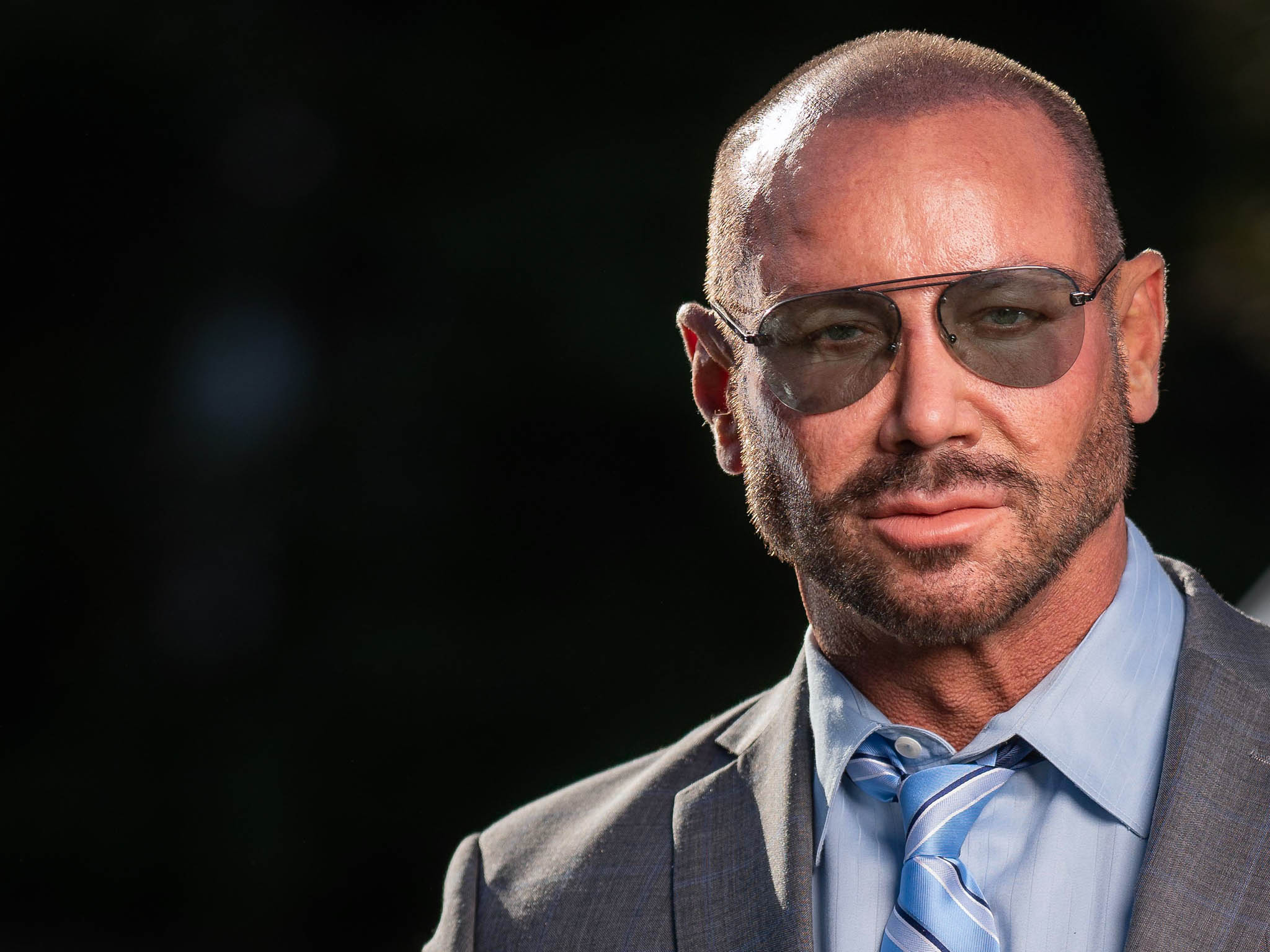
What is Scalp Micropigmentation (SMP)?
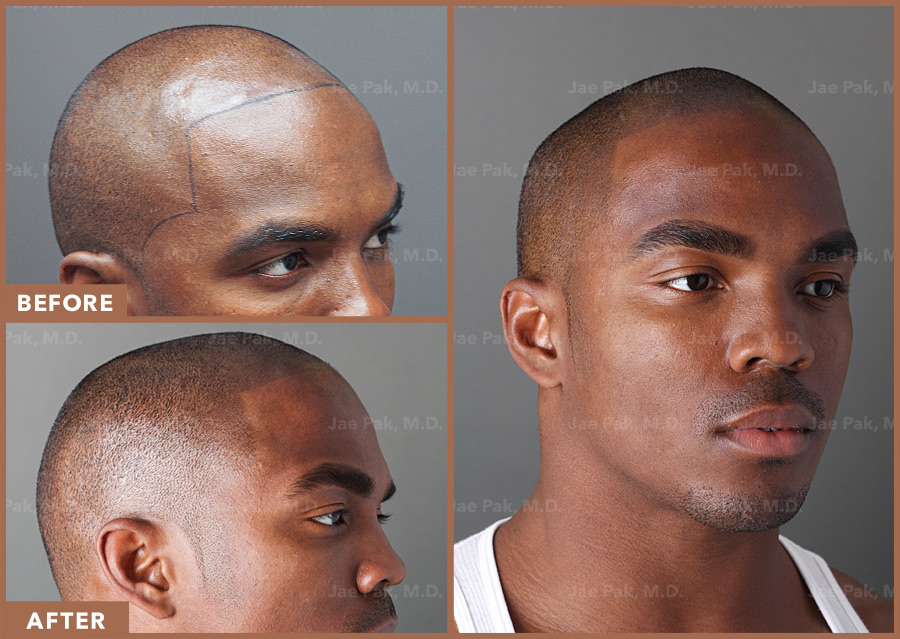
How SMP Works
This approach refines the tattooing process, avoiding the appearance of large, harsh-looking ink dots.
The process runs for several-hour-long sessions, with pigments that create a shading effect, so you can change your hair color without issues.The shading creates a realistic look of depth and density for your hair.
Scalp MicroPigmentation vs. Hair Transplant
If you’re torn between choosing a Scalp MicroPigmentation or a hair transplant, here are some factors you must consider: the nature of treatment, cost, outcome, and recovery time.
Hair transplants are surgical procedures, whereas SMP treatment is non-surgical. Scalp MicroPigmentation in some cases can be a better option than hair transplants, but may require touch-ups over time. SMP procedures will show immediate results but may not offer more styling freedom. On the other hand, hair transplants, while they require longer recovery time, can provide permanent and more natural results.
If you’re considering your options, book a consultation with Dr. Pak and get expert advice on what’s best for you.
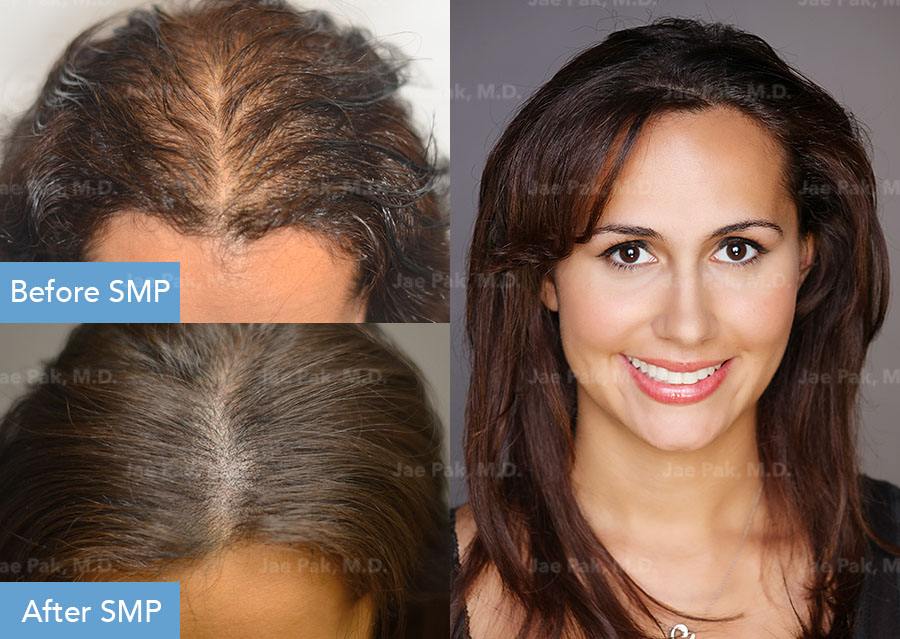
Benefits of Scalp MicroPigmentation Tattoo
Thousands of men and women struggling with thinning hair or visible hair transplant scars will testify that Scalp MicroPigmentation has proven to be life-changing. Many patients report a renewed sense of self-esteem in social and professional settings
Not only is SMP cost-effective and low risk, it also causes no downtime, allowing you to get back to your daily activities almost immediately. It also works for everyone, proving to be a versatile solution for male pattern baldness, female hair loss, and alopecia.
A Scalp MicroPigmentation tattoo is the best option if you:
Want your thinning hair to look thicker
Your hair can appear naturally thicker even in bright sunlight or wet conditions. It’s because SMP creates a natural shading effect that blends the contrast between your hair and scalp.
Wish to have a clean, buzzed look
SMP can also replicate the look of closely cropped or buzzed hair, creating the illusion of uniform coverage.
Need to camouflage scars
SMP can effectively disguise pale linear scars from strip surgery or the small dots left from FUE procedures. Patients can confidently wear shorter styles without worrying about scars being visible.
Scalp MicroPigmentation Before & After Photos
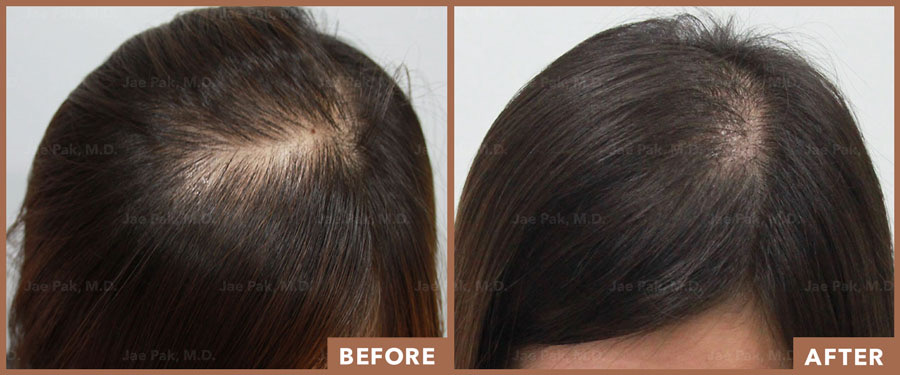 Actual Patient of Jae Pak, M.D.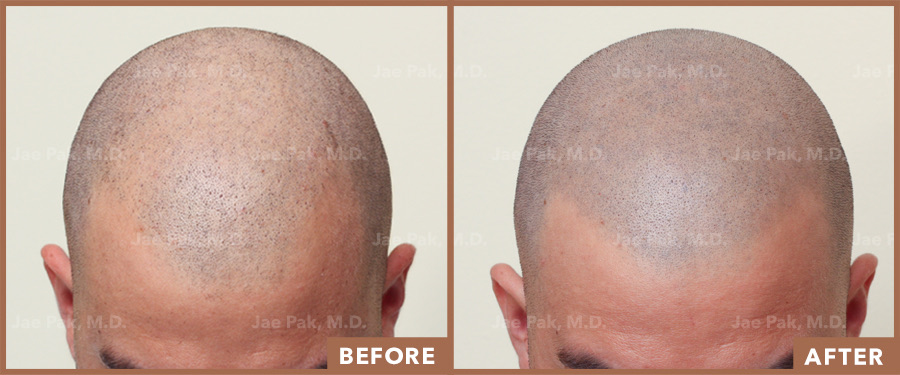
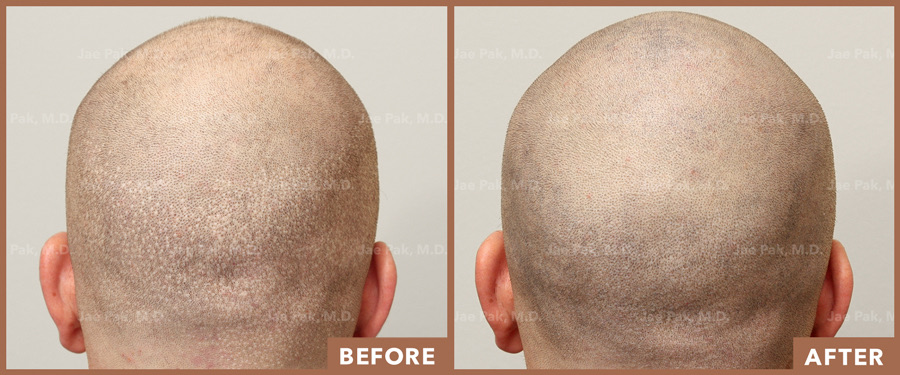 Actual Patient of Jae Pak, M.D.
Who is a Good Candidate for Scalp MicroPigmentation?
SMP may be right for you if you have:
- A receding hairline or thinning crown
- Patchy alopecia or diffuse thinning
- Transplant scars you’d like to conceal
- Short-cropped hairstyles you want to keep looking neat
Scalp MicroPigmentation, however, doesn’t treat hair loss itself. Instead, it creates a shading effect giving the illusion of thicker hair.
Side Effects, Risks & Safety
SMP is safe, but like any cosmetic procedure, there are considerations:
- Mild redness or sensitivity for 24–48 hours
- Pigment fading over years (touch-ups solve this)
- Rare cases of allergic reactions—avoided with our patch test
By placing the SMP ink in the upper dermal layer, the ink creates more of a look of a natural hair follicle.
How Much Does Scalp MicroPigmentation Cost?
Fees are based on the scalp section where the SMP treatment will be applied. Fees for SMP are as follows:
- $3500 for one section
- $5500 for two sections
- $7500 for three sections
- $9000 for entire scalp
All sessions included in the SMP package must be completed within 12 months of the first treatment. We recommend scheduling sessions two to three weeks apart, typically over a two to three-month period, to achieve the best results.
SMP used to hide the spotted scar of a Jae Pak MD Patient
SMP Touch-Ups – (Hourly Rates Apply)
Most patients don’t require touch-ups for 3–10 years after their initial three SMP sessions. The need for a touch-up depends on factors such as skin tone, scalp texture, and personal preference.
Want to see a full breakdown of pricing for SMP and other treatments?

Frequently Asked Questions
Is Scalp MicroPigmentation permanent?
SMP creates a permanent shading effect that will not run, but can fade over time. Occasionally, patients return for a touch up to make the ink slightly darker, but many go 3-10 years without ever needing a touch up.
Unlike using over the counter temporary topicals or concealers such as Caboki, Toppik and Dermmatch,, which can run when you sweat or get your hair wet, SMP creates no mess! You can do any activity without having to worry about the color.
Can SMP damage existing hair?
No. SMP is not invasive and only affects the upper skin layers. In fact, some patients grow hair alongside the treatment, and SMP can make that growth look denser.
How do you match my hair or skin color?
We do not try to match the exact color but instead create a shading effect that simulates the look of a five o’clock shadow or creates a look of density underneath the existing hair. The result is you will not be affected if you change your hair color or naturally turn grey over time.
Can a hair transplant and SMP be performed in conjunction with each other?
Yes, but not on the same day. Many patients like to have SMP after a hair transplant to increase the look of fullness and lessen the contrast between the color of the scalp and their hair. However, both procedures cannot be performed on the same day.
Am I required to shave my scalp before an SMP session?
No, but we do recommend you cut your hair to the shortest length you would feel comfortable wearing it, now or in the future, so our doctor and SMP technician are able to blend the SMP. When your hair is longer, it is easier to hide bald or thinning spots. By cutting your hair to its shortest length, we will know how to best blend the SMP with the hair to create the most natural and fullest look possible.
Does SMP look natural on women?
Yes. We adjust pigment density and hairline shape to suit female hair loss patterns, which differ from male baldness.
Can SMP be removed?
Yes. SMP can be lightened or fully removed with laser treatments—similar to tattoo removal. However, most patients prefer touch-ups instead of removal.
Can I change my hair color if I have had SMP?
Yes, because SMP when mixed with existing hair creates a shading effect. It does not matter if your hair color changes. The shading will create a look of thicker, denser hair when surrounded by the existing hair regardless of the color.
Will SMP help me hide my FUT or FUE hair transplant scar, even if I wear my hair short?
Yes, the pigment helps cover the scar and blend the color in with your hair.
How many sessions of SMP are needed?
At Jae Pak MD Medical, we prefer our patients have two to three sessions within a twelve month period. The first two sessions should be performed within 2-3 weeks of each other if possible to create a layering of the ink color. Our price includes up to the three sessions for one price and there are no hidden fees.
The time between sessions allows the skin to exfoliate. The time between sessions does not have to be exactly 2-3 weeks apart and can be scheduled to accommodate the patients scheduled.
Touch ups are available any time after the first twelve months and only require one session at a greatly reduced returning patient fee.
How long does each SMP session last?
The length the session will last will depend on the number of areas of the scalp the SMP technician will be working on. Sessions can last between 4-8 hours.
Do I need to be sedated for my SMP session?
At Jae Pak MD Medical, you have the option to have light sedation during your SMP, which is strongly encouraged so you will be more comfortable. As a result, you may feel slightly groggy or tired after your procedure. You can resume normal daily activities after your SMP session, however, we recommend waiting until the next day to resume your normal routine if you have chosen to have light sedation.
*We highly recommend light sedation as it will help you stay relaxed and more comfortable while your SMP technician works on your scalp.
Can SMP treatment help redefine my hairline?
Yes, some patients prefer a softer, more natural looking hairline while others like a linear look. Dr. Pak will work with each patient to create the customized look they desire.
Can an SMP procedure be performed for facial hair?
Yes, the look of facial hair such as goatees and beards can be enhanced to achieve a thicker, fuller look or provide coverage for a scar.
How do you match my hair or skin color?
We do not try to match the exact color but instead create a shading effect that simulates the look of a five o’clock shadow or creates a look of density underneath the existing hair. The result is you will not be affected if you change your hair color or naturally turn grey over time.
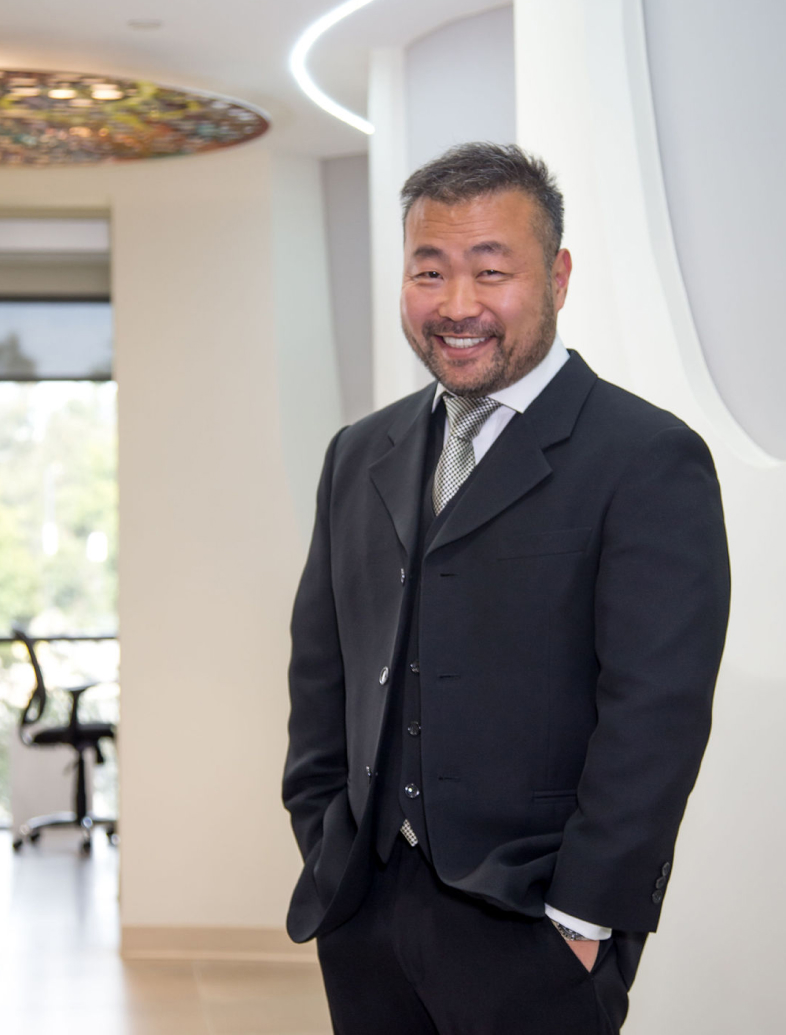
Why Choose Jae Pak, M.D.
Meet Jae Pak, M.D. — Artist • Engineer • M.D.
- 19+ years focused on hair restoration (FUE, FUT, Long Hair FUE, SMP).
- 8 patents in hair restoration; contributor to ARTAS robotic advances.
- Consistently 5-star reviewed; patients travel worldwide for his work.
- Trains an in-house surgical team; precision and consistency.
Author & Innovator
- Co-author of Hair Loss and Replacement for Dummies.
- Ongoing R&D on techniques, instruments, and inks for FUT/FUE & SMP.